Trusted Mobile Tire Service Houston for Fast Tire Changes
Expert Tire Maintenance: Get Back on the Road With Care and Speed
Expert tire maintenance play a vital role in ensuring vehicle security and performance. Trained specialists conduct comprehensive inspections to identify various tire problems. From flats to alignment problems, each concern needs meticulous attention. Understanding when to seek professional help can avoid further complications. As drivers navigate these challenges, they may wonder about the best repair options and maintenance practices. Investigating these topics can lead to knowledgeable decisions and more secure journeys ahead.
Frequent Tire Challenges to Be Aware Of
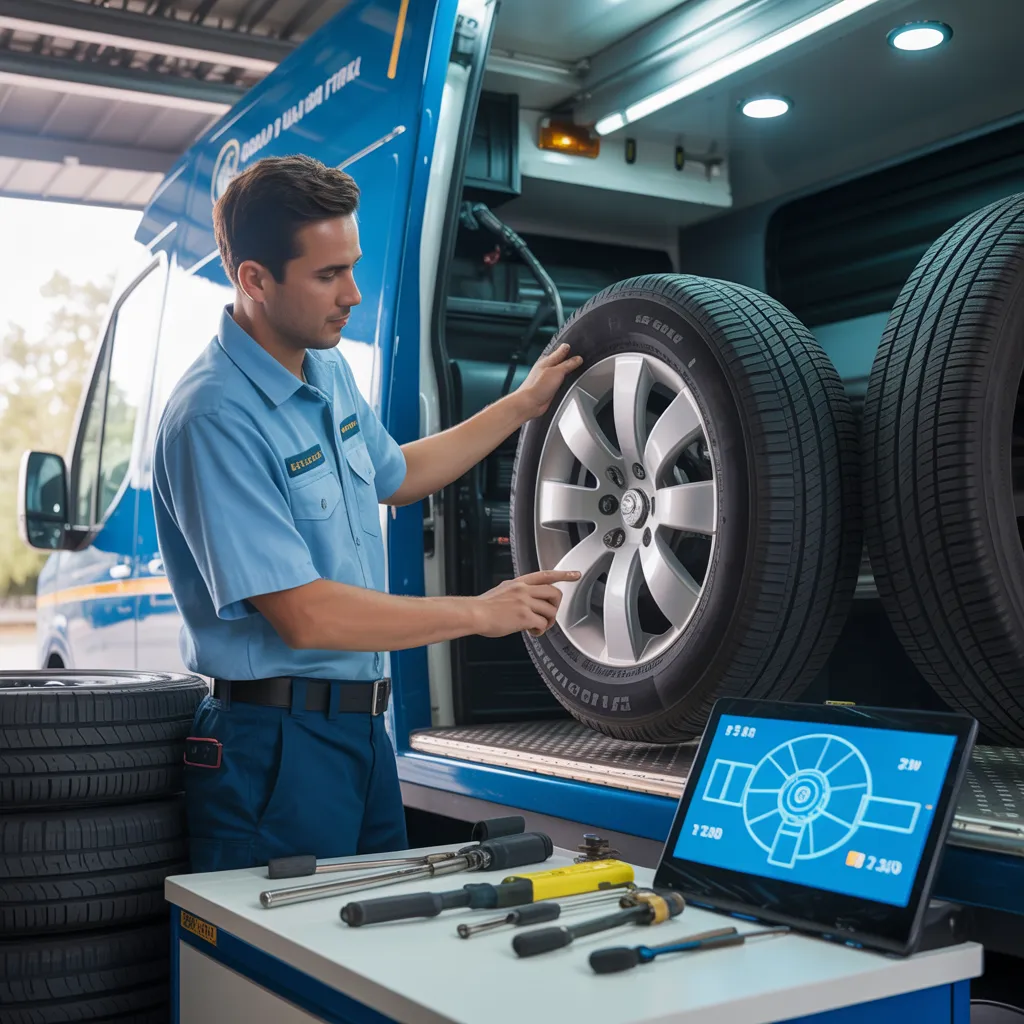
When drivers ignore their tires, they may face several frequent concerns that can undermine safety and performance. One frequent occurrence is underinflation, which can result in increased tire wear and lower fuel efficiency. Over time, this can result in the tires to overheat, increasing the risk of a blowout. Another common problem is tread wear, which affects traction and handling, particularly in wet conditions. Uneven wear may indicate alignment or suspension issues, requiring further inspection. Additionally, drivers may encounter punctures or sidewall damage from road hazards, causing slow leaks or complete tire failure. Consistent tire rotations, regular inspections, and appropriate inflation are essential for preventing these issues. Finally, climate effects can also cause tire degradation, making it important for drivers to monitor their tire health. By identifying these common problems, drivers can boost their safety on the road.
How to Identify When to Get Tire Service?
ongoing requirement for refilling also shows that repairs may be necessary.
Drivers should be vigilant about handling and performance changes, such as tremors or pulling to one side, which could suggest tire imbalances or internal damage. Finally, regularly checking the depth of the tire tread is essential; tires with worn or bald spots compromise traction. By monitoring these signs, drivers can ensure timely repairs, boosting both safety and vehicle longevity. Addressing these issues promptly not only thwarts potential accidents but also reduces more extensive repair costs down the line.
Insights Into What Happens During Tire Service Operations
The tire servicing routine usually consists of several key actions to ensure safety and efficiency. Initially, a technician examines the tire for evident damage and evaluates its complete condition. This examination helps determine whether the tire can be repaired or needs replacement. After the inspection, the technician might take the tire from the wheel to find punctures or internal damage.
Once any problems are discovered, the technician sanitizes the damaged area and prepares it for restoration. This may include applying a seal or plug, depending on the type and location of the harm. After the fix is finished, the tire is remounted and correctly inflated to the manufacturer's specifications.
Finally, a quality verification confirms that the repair meets safety protocols. Throughout the process, technicians stress correspondence, keeping the buyer of reports and recommendations. This strategic approach warrants a dependable service, allowing commuters to resume to the road with confidence.
DIY Tire Fixes vs. Professional Help
Once understanding the tire restoration process, many drivers may assess whether to handle repairs by themselves or get professional support. DIY tire repairs can be attractive, particularly for those with elementary technical expertise and tools. Simple punctures can often be fixed using repair kits available at auto supply stores, saving both effort and expenses. However, this approach poses dangers if appropriate procedures are not applied, potentially causing further deterioration or safety hazards.
On the flip side, professional tire repair services supply knowledge and specialized equipment. Trained professionals can properly evaluate tire damage, guaranteeing repairs are dependable and safe. They can also uncover concealed issues that a DIY approach might fail to notice. Ultimately, the decision regarding DIY repairs versus professional assistance is based on the driver's confidence, expertise, and the extent of the tire damage. Formulating a knowledgeable decision is critical for maintaining safety while driving.
Guide to Selecting the Optimal Tire Repair Service
How can motorists ensure they choose the top-rated tire maintenance service? First, they should research nearby options, examining customer reviews and ratings. This information provides understanding into the quality of service and reliability of various shops. Next, checking for credentials and affiliations with recognized automotive organizations can demonstrate expertise and professionalism.
Furthermore, drivers should ask about the varieties of repairs available, making sure the shop can address their distinct tire needs. Clear pricing structures is also important; reputable businesses present detailed estimates without undisclosed charges.
Additionally, reviewing the shop's protection plans on services can offer assurance. Finally, convenience is important—proximity to your home or office, as well as operation times, can influence the decision. By considering these factors, drivers can confidently choose a repair facility that meets their needs with success.
Upsides of Systematic Tire Maintenance
Regular tire upkeep provides many benefits that prolong the life span and performance of tires. By routinely checking tire pressure, tread depth, important resource and general state, vehicle owners can ensure optimal grip and handling. Correct air pressure decreases deterioration, improving fuel efficiency and reducing costs at the pump. In addition, routine checks can help identify problems such as uneven wear or damage, enabling for timely repairs that avoid more significant problems down the road.
Taking care of tires also strengthens safety by lowering the likelihood of tire blowouts or accidents caused by insufficient tread. Additionally, a properly kept set of tires adds to a smoother ride, boosting comfort for the driver and passengers. Spending time on regular tire maintenance allows individuals to maximize the value of their investment, guaranteeing reliable performance and peace of mind while driving. Finally, maintaining tires regularly is a crucial element of being a responsible vehicle owner.
Tips for Avoiding Future Tire Problems
Taking a preventative approach to tire maintenance can greatly reduce the probability of potential complications. Regularly checking tire pressure is vital; insufficient pressure can result in premature wear and lowered fuel efficiency. It is prudent to check tires for visible deterioration, such as cuts or bulges, which may reveal structural defects. Rotating tires every 5,000 to 8,000 miles helps guarantee consistent wear, boosting their lifespan.
Furthermore, maintaining correct alignment and balancing is vital to prevent uneven tread wear. Drivers should also track tread depth, using the penny test as a simple method; if Lincoln's head is visible, it's time for a replacement. Finally, preventing vehicle overload can minimize excessive strain on tires. By adopting these methods, vehicle owners can extend tire longevity and encourage a safer driving experience.

Popular Inquiries Posed
What amount of time is needed for a regular tire restoration?
A typical tire service usually requires between 30 minutes to an hour based on the amount of damage and the specific repair needed. Variables like technician availability and shop workload can also modify the duration.
Can All Wheel Types Be Fixed?
Not all tire types can be repaired. Generally, tread area punctures of passenger tires may be repairable, while sidewall damage, severe wear, or tires with multiple repairs often necessitate replacement to ensure safety.
How Much Does Tire Service Cost?
Tire repairs costs typically range from $10 to $30, reliant upon the degree of damage and site. Aspects including tire type and the repair shop may shape the ultimate cost, causing it changeable.
Does Your Insurance Protect Tire Damage Repair?
Repair coverage for tires varies depending on your insurance policy. Certain policies supply emergency roadside support or repair costs, though others may exclude this protection. It's vital for people to examine their particular policy details to determine what protection exists for tire maintenance.
How Might I Increase the Life Span of My Tire?
To extend a tire's operational life, standard care is indispensable. This includes preserving optimal tire pressure, rotating tires frequently, ensuring proper alignment, avoiding overloading, and tracking tread condition for indications of wear and damage.